Falsely Accused of Murder at Keawanui
The murder of Elmer Conant on June 20, 1923, shocked Molokaʻi. Conant, manager of Molokaʻi Ranch, was killed instantly when a stick of dynamite hidden beneath his automobile exploded as he started his car in Kaunakakai. At the time, he was helping lead an ambitious plan to transform Molokaʻi through large-scale pineapple development and the Hawaiian Homes program. Just days before his death, Conant predicted that the influx of newcomers would shift "the balance of power" away from East Molokaʻi, long the political and cultural center of the island. Historian Frederick Hoxie notes that these projects would bring hundreds of new residents while pushing the predominantly Kanaka Maoli communities of East Molokaʻi "to the margins of island life."
Investigators quickly focused on Edward K. Duvauchelle, the most prominent Kanaka Maoli political leader on Molokaʻi, but they could not produce enough evidence to charge him with Conant's murder. Instead, they revived the unsolved disappearance of Wai Bow, the Chinese caretaker of Keawanui Fishpond, who vanished on March 15, 1916. Edward knew Wai Bow personally and had even loaned him money. He later testified that Wai Bow often complained there were not enough fish in Keawanui Fishpond, and Edward would reply that it was because he had overfished the pond. Prosecutors alleged that Edward and his sons John and Waldemar murdered Wai Bow because the caretaker refused to allow the Duvauchelle men to fish in the pond. Edward denied the accusation, insisting that neither he nor his sons had been anywhere near Keawanui that night. With Wai Bow's body never recovered, the case rested largely on witness testimony.
Following his arrest on August 14, 1923, Edward was forced to resign as Pukoʻo postmaster, county road overseer, and from his other public positions, ending the career of one of East Molokaʻi's most influential Kanaka Maoli leaders. His prosecution came as the territorial oligarchy was moving forward with its vision to transform Molokaʻi through pineapple plantations, homesteading, and outside investment. As the island's leading Kanaka Maoli political figure, Edward represented the rural East Molokaʻi communities whose lives were rooted in fishing, fishponds, farming, subsistence, and deep genealogical ties to the ʻāina. As Hoxie concludes, Duvauchelle became the target because "he embodied opposition to the changes taking place on the western half of the island," and his arrest "was not only an assault on a prominent local political figure; it was a forceful assertion that the authorities would not tolerate any opposition to their plans for the economic transformation of Molokaʻi."
For the Duvauchelle family, these events were more than a murder investigation. They marked the loss of Edward K. Duvauchelle, an authentic Indigenous leader whose influence extended throughout East Molokaʻi, the destruction of a family's reputation, the death of his son John while incarcerated, and the beginning of a legacy that would shape generations.
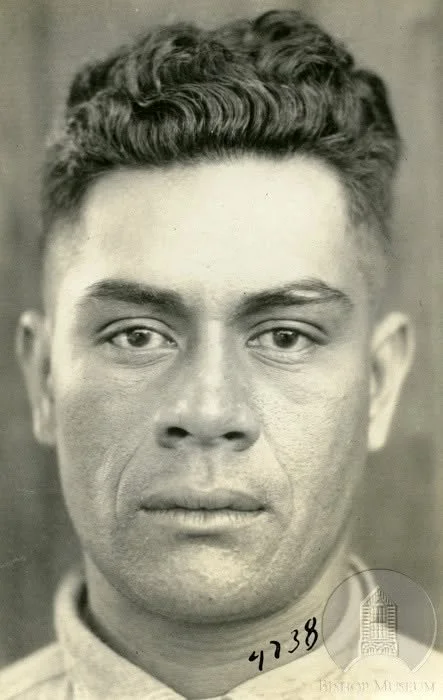
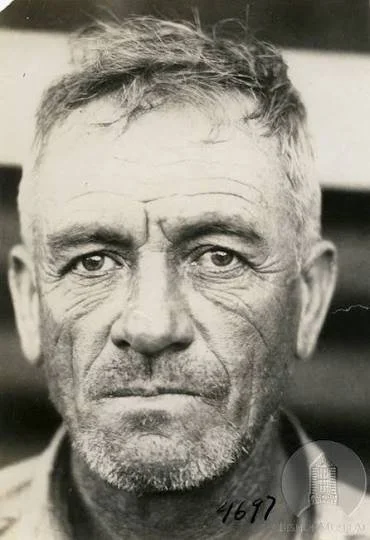
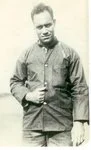
Waldemar, Edward K, and John Duavauchelle.
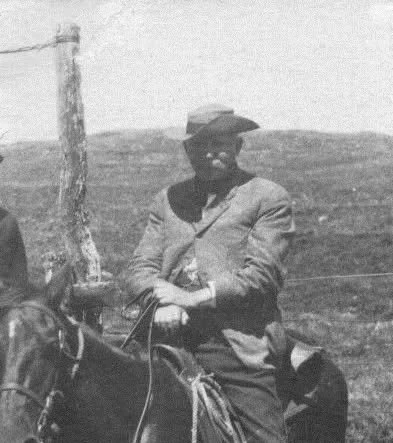
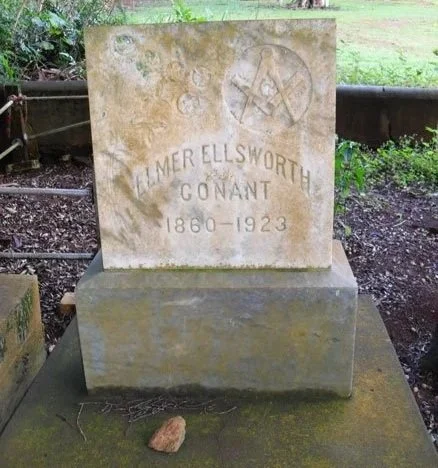
Elmer Conant acting manager of Molokai Ranch whose unsolved murder was used as the catalyst for the Duvauchelle Family’s indigenous leadership from East Moloka, or Mana‘e.